Roora (also known as lobola) is a meeting of two families as much as a ceremony. Every family has its own customs, elders and order of proceedings, so treat this checklist as a starting point to discuss with your vanatete, sekuru and munyai, not as a rulebook.
Key roles
- Munyai: the go-between who represents the groom's family and carries messages between the two sides.
- The bride's family: the hosts, led by the elders who will receive the delegation and present their requests.
- The groom's delegation: usually uncles, elders and trusted family members who negotiate on his behalf.
- Vatete: the bride's paternal aunt, who often plays a central role in guiding the bride and the proceedings.
Six to twelve weeks before
- Both families agree on the date, start time and who will attend from each side.
- The groom's family chooses a munyai and confirms who will be in the delegation.
- Decide where the roora will take place: a family home or a venue with space for both families.
- Agree on a budget for food, drinks, gifts, attire and the venue.
- Choose a caterer, or agree which relatives will cook and what equipment they need.
- Discuss attire and colours if the families want to coordinate.
- Book a photographer or videographer if the families are comfortable with photographs.
Two to four weeks before
- Confirm numbers with both sides and share directions with everyone travelling.
- Plan seating so that each family has its own space, plus a quieter area for the negotiations.
- Arrange transport for elders and anyone travelling from other towns or from abroad.
- Prepare gifts as agreed within the family, and keep a written list of what is being brought.
- Agree who will keep records and receive items on behalf of the bride's family.
- Confirm décor, tables, chairs and shade, especially if the event is outdoors.
The day before
- Confirm arrival times with the delegation, the caterer and any vendors.
- Prepare the plate or dish traditionally used for presenting money, and the envelopes or items for each request.
- Charge phones, cameras and speakers, and prepare cash in the denominations you will need.
- Lay out attire for the bride, the groom and key family members.
- Brief the people welcoming guests on where each family should sit.
On the day
For the bride's family (hosts)
- Be ready to receive the delegation at the agreed time, with seating and water prepared.
- Keep the negotiation space calm and private; children and extra guests can wait in the garden.
- Make sure the person keeping records has a notebook and pen.
- Coordinate food so that it is ready when the formal part concludes.
For the groom's delegation
- Arrive on time, together, and follow the munyai's lead.
- Bring the agreed money, gifts and any items requested in advance, clearly labelled.
- Be patient: negotiations are part of the tradition and can take time.
For the celebration afterwards
- Plan time for both families to eat, sing, dance and take photographs together.
- Have a short programme ready: welcome, introductions, thanks and prayers if desired.
- Decide in advance who will thank the hosts and close the day.
After roora
- Thank everyone who helped, especially elders and those who travelled.
- Agree on next steps together, including dates for any further ceremonies or the white wedding.
- Share photographs with both families.
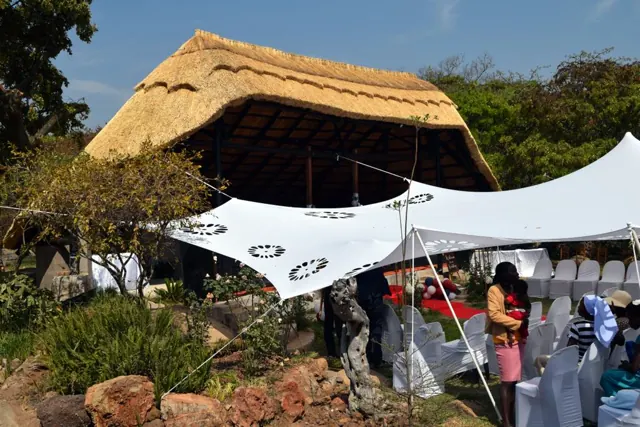
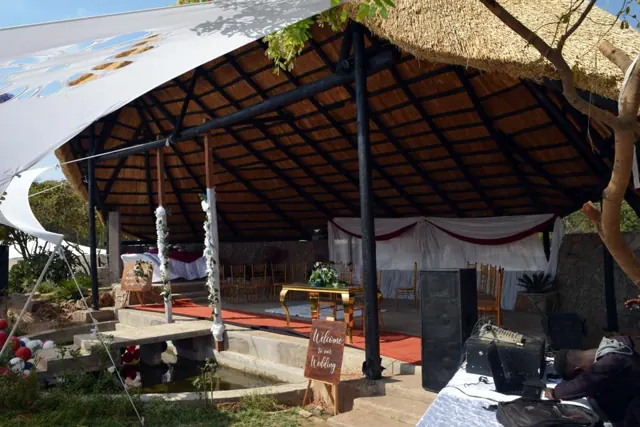
Hosting roora at a venue? Royal Rose Garden is a lobola venue in Harare with a thatched lapa, lawns and picnic-style cabanas for both families. See roora and kitchen parties or our Mhuri package.